
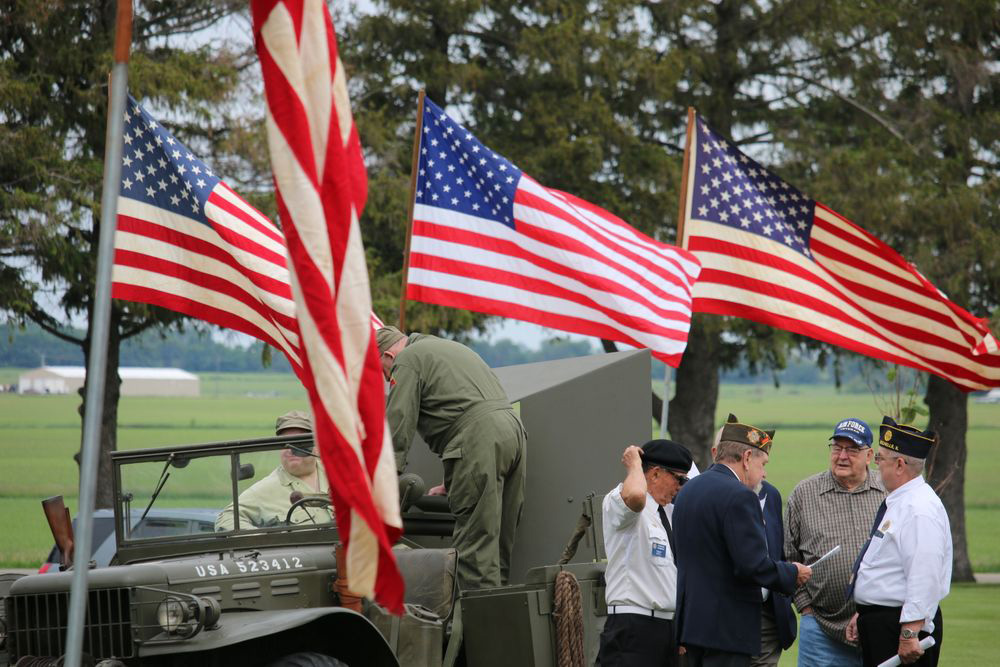
Every November, Veterans Day brings ceremonies, patriotic displays, community events, and heartfelt expressions of gratitude for those who have bravely and selflessly served our country in uniform. These traditions are part of the fabric of many communities, but they often don’t extend past a single day.
For many former service members, the effects of military service continue long after they return to civilian life. Some live with invisible injuries, complex trauma, and chronic health conditions. Others experience challenges finding employment, rebuilding relationships, and adjusting to a lifestyle that differs significantly from the structure and camaraderie of military service. We can express genuine, heartfelt appreciation by recognizing these realities and finding ways to support veterans all year round.
The Lifelong Effects of Military Service
One way to honor veterans is to acknowledge that military service can have lasting consequences, many of which aren’t immediately apparent. Some veterans leave the military with physical injuries and health conditions that require ongoing attention, while others develop symptoms that remain hidden for years. Conditions like post-traumatic stress disorder, traumatic brain injuries, chronic pain, tinnitus, and hearing loss can affect a veteran’s ability to work, maintain relationships, sleep comfortably, and participate in everyday activities.
A veteran might look healthy, happy, and successful despite these struggles. Even if someone’s lived experiences are different from yours, you can still be empathetic.
Listen Without Making Assumptions
The U.S. military draws its strength from the diversity of the people who enlist, each of whom brings unique experiences, perspectives, and skills. Some join the armed forces to carry on a patriotic family tradition, while another may see military service as an opportunity to put themselves through college, gain valuable hands-on skills, live overseas, or build a more financially secure future. These motivations are equally valid, and none of them diminish the significance of a former service member’s contributions.
While many veterans look back on their service with pride and satisfaction, others have complicated feelings about what they endured or sacrificed. Honoring them starts with respecting these differences and listening without judging. Rather than assuming you understand someone’s experiences, invite them to share their feelings only if they are comfortable doing so. Avoid asking intrusive questions, and recognize that some veterans prefer to keep parts of their military history private.
Recognize the Challenges of Civilian Life
Transitioning out of life in uniform is a significant adjustment because military culture revolves around elements that can be hard to find in the civilian world, including structure, purpose, camaraderie, and a clear chain of command. Veterans may have a hard time translating their military resume into civilian employment, establishing new routines, or finding a community where they feel understood.
Even positive transitions can be stressful. A veteran can look forward to making a career change even while missing the companionship and identity associated with military service. Employers, community organizations, friends, and family members can help by recognizing veterans’ transferable skills, creating opportunities for connection, and offering practical guidance as needed.
Challenge Misconceptions About Veterans’ Mental Health
Military service often exposes people to experiences that increase their risk of psychological distress. Unfortunately, stigma discourages many veterans from acknowledging symptoms or seeking professional help. Some worry that discussing PTSD, depression, anxiety, or other concerns will make them appear weak. Others compare their experiences with those of fellow service members and conclude that their problems aren’t serious enough to deserve attention. These beliefs tend to prevent veterans from accessing resources that could improve their well-being.
This Veterans Day, challenge the idea that strength requires suffering in silence. Seeking mental health support is a responsible decision, and acknowledging difficulties doesn’t diminish someone’s service or accomplishments.
Encourage Veterans to Explore the Benefits They’ve Earned
Some veterans wait years or even decades before filing a VA disability claim. They may be unfamiliar with the process, unsure whether their condition qualifies, or reluctant to acknowledge how significantly their time in the military has affected their well-being.
Service-connected disabilities involve a wide range of physical and mental health conditions. Veterans don’t necessarily need to have served in combat to qualify, and many can pursue disability benefits long after leaving the military. Encourage the veterans in your life to research their eligibility and begin the disability claims process by receiving a thorough medical evaluation.
Find Ways to Make a Difference Throughout the Year
You don’t need to wait until Veterans Day to demonstrate your appreciation for our armed forces. Depending on your interests, resources, and background, there are multiple ways to get involved. These actions may seem small individually, but they reflect a commitment that extends beyond an annual observance.
- Volunteer with veteran-focused organizations: Thousands of nonprofit organizations exist to help military veterans find housing, employment, transportation, and mental health counseling, among other needs.
- Support veteran-owned businesses: Choosing to spend your money with veteran entrepreneurs can strengthen their financial independence and professional success.
- Advocate for accessibility: Research the resources offered to veterans in your community and spread awareness about underused services.
- Use your professional training: Highly educated people who work in industries such healthcare can contribute by applying their expertise to veterans’ needs.
Healthcare Professionals Can Continue the Mission of Service
Many healthcare professionals reach a career turning point when they decide to pursue more fulfilling work. Warrior Vets offers opportunities to find a better fit without leaving the profession you love. Our clinicians use their expertise to conduct the focused medical evaluations that are fundamental in the VA disability claims process. These assessments result in thorough, objective documentation of veterans’ health conditions and functional limitations.
This work calls for clinical rigor, attention to detail, compassion, and respect for the experiences veterans bring into the examination room. It also provides an alternative to traditional patient care. With flexible scheduling, administrative support, competitive compensation, and opportunities to travel, Warrior Vets allows providers to apply their training in a purpose‑driven environment. Explore our current job openings today.