
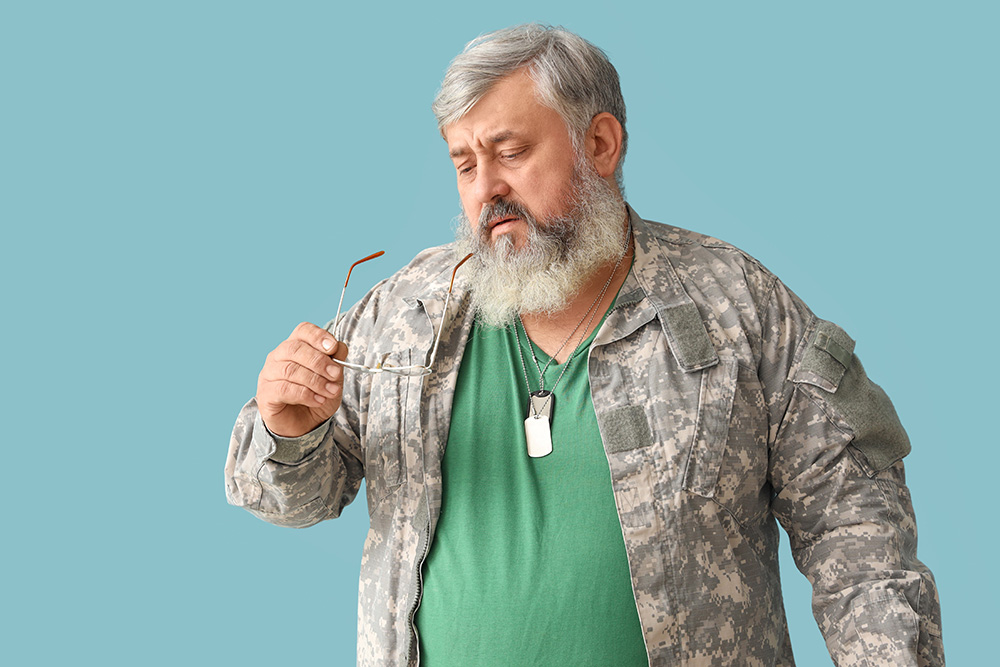
When you picture a veteran living with a service-connected disability, you might imagine someone with a visible injury or physical limitation. However, many veterans experience health conditions that profoundly affect their quality of life without leaving any obvious outward signs.
PTSD, traumatic brain injuries, migraines, tinnitus and chronic pain are only a few examples of conditions that can interfere with everyday functioning while remaining largely unseen by others.
Because these disabilities aren’t always apparent, veterans may feel misunderstood, minimize their experiences, or struggle to describe their symptoms. Recognizing the impact of invisible disabilities is a critical part of ensuring veterans receive appropriate medical evaluations and the compensation they’ve earned.
What Is an Invisible Disability?
An invisible disability is a physical, neurological, or psychological condition that significantly affects someone’s functioning without necessarily producing noticeable external symptoms.
People living with invisible disabilities may appear healthy while managing pain, fatigue, cognitive difficulties, emotional distress, or sensory problems that have spilled over into nearly every aspect of their life.
These conditions can make it harder to maintain employment, participate in social activities, sleep comfortably, or complete ordinary daily tasks. Symptoms may also fluctuate, meaning a veteran who functions relatively well one day may struggle considerably the next.
Common Invisible Disabilities Among Veterans
Military service can expose people to circumstances that increase their risk of developing conditions with long-lasting consequences. Some disabilities emerge immediately after an injury or traumatic experience, while others become more noticeable over time.
Post-Traumatic Stress Disorder
PTSD can develop after exposure to frightening or life-threatening events, including combat, military sexual trauma, and serious accidents. Symptoms may include intrusive memories, nightmares, heightened alertness, avoidance, emotional numbness, and difficulty concentrating. PTSD can also affect a veteran’s relationships, employment, and ability to feel safe in everyday situations.
Not everyone with PTSD appears visibly distressed. Some people become highly skilled at concealing their symptoms and continuing to function despite significant internal struggles.
Traumatic Brain Injury
Traumatic brain injuries can result from explosions, falls, vehicle accidents, and other incidents involving a blow or jolt to the head. Though some TBIs cause obvious physical impairments, others produce less visible symptoms, including memory difficulties, headaches, dizziness, sensitivity to light or noise, mood changes, and problems with attention. Even a veteran who appears physically healthy may have cognitive or neurological challenges that affect their independence and quality of life.
Tinnitus and Hearing Problems
Repeated exposure to gunfire, aircraft engines, explosions, heavy machinery, and other extremely noisy environments can contribute to hearing-related conditions. Tinnitus, which causes people to hear ringing, buzzing, and other sounds without an external source, can be particularly frustrating because it is inaudible to everyone else.
Persistent tinnitus may interfere with sleep, concentration, and emotional well-being. Hearing loss can also make conversations exhausting, especially in crowded environments or situations with background noise. These problems may not be immediately noticeable, but their cumulative effects are substantial.
Migraines and Chronic Headaches
Migraines are more than ordinary headaches. They can cause intense pain, nausea, visual disturbances and sensitivity to light and sound. Some people experience attacks that require them to put everything on hold and rest in a dark, quiet environment.
For veterans with frequent migraines, unpredictability can be especially disruptive. They may miss work, cancel plans, or struggle to maintain consistent routines. Because symptoms can disappear between episodes, someone observing a person with chronic migraines on a good day may have little understanding of how debilitating the condition can become on a bad day.
Chronic Pain
Musculoskeletal injuries, nerve damage, repetitive physical strain, and other service-related health problems can contribute to chronic pain. Veterans may experience persistent back pain, joint problems, neuropathy, or other conditions that make movement, sleep, and everyday activities difficult. Chronic pain is also highly individual. Two people with similar diagnoses may experience very different levels of discomfort and functional impairment.
Other Conditions That May Be Invisible
Many veterans’ service-related disabilities are more complicated than any single diagnosis suggests. Depression, anxiety, sleep disorders, chronic fatigue, gastrointestinal issues, and other health problems aren’t immediately apparent. Some veterans live with multiple overlapping concerns, and understanding the combined effects is vital. For example, chronic pain may interfere with sleep, and chronically sleep-deprived people struggle with their concentration, mood, and fatigue.
Military culture emphasizes resilience, discipline, and the ability to persevere under difficult circumstances. These qualities are career assets, but they may also make acknowledging a disability uncomfortable, which is one reason some veterans wait years to file a claim.
The Value of a Thorough, Objective VA Evaluation
A compensation and pension exam is an opportunity to document relevant medical findings, symptoms, and functional limitations as part of the disability claims process. Because it’s impossible to assess many invisible conditions through outward appearance alone, veterans must describe their symptoms honestly and specifically, including how often they occur, how severe they become, and how they affect everyday activities.
The absence of visible symptoms doesn’t make a condition mild or insignificant. Disability examiners are responsible for noticing specifics that may not be immediately apparent. Comprehensive evaluations involve reviewing relevant medical history, asking detailed questions, performing an appropriate examination, and documenting how symptoms affect functioning.
For clinicians, this work requires technical knowledge, patience, active listening skills, and accuracy. Effective examiners approach each veteran without preconceived assumptions and carefully document the findings relevant to the requested evaluation.
Warrior Vets’ qualified healthcare providers conduct focused medical evaluations that help veterans rebuild after military service. While our clinicians do not determine disability ratings or provide ongoing treatment, their objective findings provide the VA with the essential medical information needed to evaluate a claim.
Every Veteran’s Experience Deserves Consideration
Invisible disabilities can be hard to explain, especially for veterans who have spent years ignoring their symptoms or convincing themselves that their problems aren’t serious enough to warrant attention.
Warrior Vets understands the importance of thorough, respectful medical evaluations for veterans living with visible and invisible disabilities. Our mission is to carefully and objectively document the health consequences of serving in our military. If you’re a health professional seeking rewarding, flexible clinical work, contact Warrior Vets to learn how you can use your expertise to help the heroes who served our country.